Choosing a Bible Study Prayer Journal Guide Canva Template: A Practical Comparison
Building a consistent habit of Bible study and prayer often requires a structured approach. Many people find that a dedicated journal helps focus their thoughts, track requests, and reflect on what they are learning. The market offers everything from simple blank notebooks to complex devotional systems, and navigating these options can take time. One specific format that has gained traction is the editable Bible Study Prayer Journal Guide designed as a Canva template and formatted for Kindle Direct Publishing (KDP). Understanding exactly what this type of resource provides, how it compares to other methods, and who it serves best can help you decide if it aligns with your personal or creative goals.
What Makes This Type of Journal Guide Distinctive
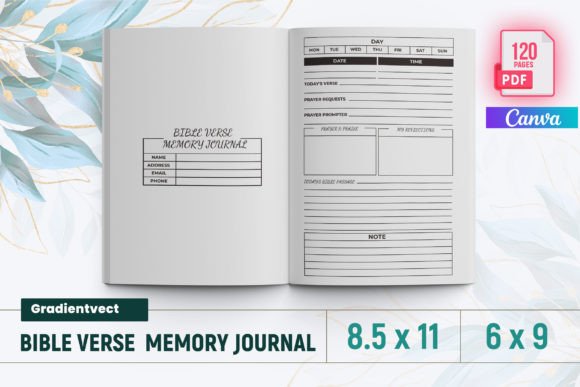
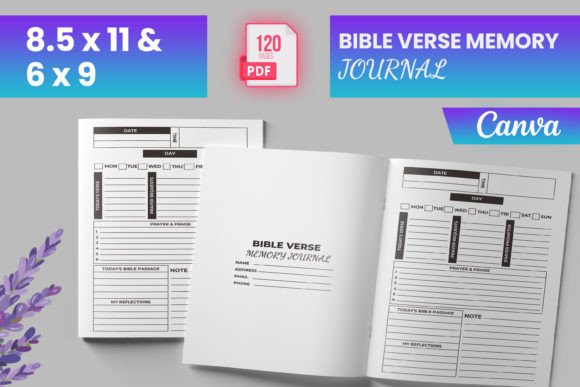
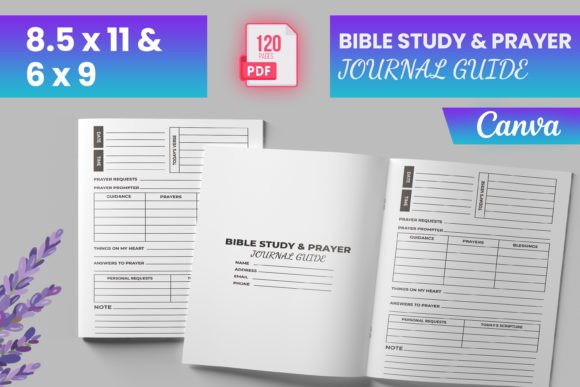
Unlike a standard notebook or a static pre-printed journal, a Bible Study Prayer Journal Guide that comes as an editable Canva template occupies a unique middle space. It combines the curated structure of a professional study guide with the flexibility of a digital file you can modify before printing or publishing. The defining characteristic is the guide itself. It does not simply offer blank lined pages; it provides specific prompts, sections for scripture, observations, application, prayer requests, and gratitude lists. This structure is designed to keep the user engaged and focused, preventing the drift that can happen with an entirely free-form approach.
At the same time, the file is not locked. Because it is built for Canva, you can adjust headings, change color schemes, add or remove pages, and insert your own scriptures or favorite verses as section headers. This editability sets it apart from a traditional published book. The specific package often includes ready-to-upload PDF files with bleeds, ensuring the interior is correctly formatted for printing, whether at home or through Amazon KDP. The 120-page count, available in both 6x9 and 8.5x11 inches, provides a substantial amount of space while remaining flexible enough to be used over a quarter or a full year of focused study.
Blank Notebooks and Planners
The most basic alternative is a blank or ruled notebook. Its primary strength is unlimited freedom. You can draw charts, write extensively, or skip days without being reminded by a structured page. The significant tradeoff, however, is the lack of guidance. Without prompts, a blank notebook relies entirely on your discipline and memory of how to structure a study session. A Bible Study Prayer Journal Guide provides that scaffolding. It asks you specific questions about the text you are reading, which can deepen your engagement. The tradeoff is that you might feel constrained by the categories if your personal study style is highly unconventional or if you prefer to write large amounts of narrative text without designated field labels.
Pre-Printed Devotional Journals
Commercially available bound journals offer high-quality production, beautiful covers, and a consistent, tested layout. They are immediately usable without any setup. The main limitation is that you are locked into the publisher’s design. If you want to follow a different reading plan, add sections, or change the order of pages, you cannot. An editable template addresses this by letting you rearrange and adapt the content to your specific Bible reading plan. If you are studying a particular book of the Bible, you can customize the prompts to match that book's themes. If you are producing a journal to sell through KDP, the customizable nature of the Canva template allows you to create a unique product without starting graphic design from scratch.
Digital Note-Taking Apps
Apps like GoodNotes, Notability, Logos, or even a simple note-taking app provide powerful digital tools for study. They offer searchability, syncing across devices, and the ability to embed links, images, and audio. A Bible Study Prayer Journal Guide Canva template fits into this ecosystem very well. You can import the PDF or PNG files directly into your note-taking app and write on them with a stylus. The strength here is combining the structured guide with digital flexibility. The limitation compared to a pure app-based study system is that the template is more rigid than an entirely free-form digital canvas. An app like Logos offers deep lexical tools and commentaries linked to the text, while the journal guide prioritizes reflective writing and structured prayer.
Strengths and Practical Best-Fit Situations
The true strength of this format lies in its versatility and control. For someone who enjoys the aesthetic and tactile qualities of a printed journal but wants control over the layout, this is an excellent fit. You can edit the file to match your favorite color palette, add your name or a small group's name to the "Belongs To" page, and print exactly as many copies as you need.
For publishers and creators using KDP, the value is clear. The specifications including "Belongs To" page, bleed settings, and tested print margins save hours of formatting work. You can use the provided interior, add your own cover, and upload a professional-quality product quickly. This allows you to focus on the content and marketing of your devotional journal rather than wrestling with layout software.
It is also well-suited for group study settings. A leader can customize the guide to match the specific lessons in a series, print or share the PDF for members, and ensure everyone is using the same structured prompts for their quiet time.
When an Alternative Might Serve You Better
Despite its strengths, the editable guide is not the ideal solution for every situation. Recognizing its limitations helps in making a sound decision.
If you prefer a completely tactile, offline experience. Editing a file requires some familiarity with Canva or a PDF editor, even if it is basic. You must also have a way to print the pages or use them on a tablet. If you want the simplicity of grabbing a bound book off a shelf immediately, a pre-printed journal is the more straightforward choice.
If you are looking for in-depth exegetical study tools. This type of journal is a guide for reflection and prayer, not a commentary. If your primary need is to parse Greek and Hebrew words, understand historical context, or follow a complex inductive study curriculum, you may need a study Bible, a commentary set, or a more scholarly workbook. The journal guide excels at application, prayer, and worship, but it is not designed to replace academic study resources.
If you have very specific page count needs. 120 pages represents a specific commitment. While you can print only some of the pages, the template is structured as a cohesive set. If you only want a 30-day guide, or conversely, a very thick 365-day journal with daily pages, you may need a different resource or be willing to do heavy editing of the template itself.
Key Decision Factors for Your Devotional Practice
When evaluating whether a Bible Study Prayer Journal Guide Canva template is the right choice, consider the following factors:
- Your Workflow: How do you prefer to study? Do you sit at a desk with a printed notebook, or do you use a tablet on the couch? If you are fully digital, the PDF/PNG versions allow for effortless use with stylus apps. If you are a print-only person, the KDP-ready format makes getting a professional coil or perfect-bound copy simple.
- Your Need for Structure vs. Freedom: Do you thrive on prompts like "What did I learn about God's character?" or do you find them limiting? If you prefer a completely empty page, a blank notebook is better. If you want guidance to help you focus, the structured guide provides valuable guardrails.
- Your Long-Term Goals: Are you creating a personal archive of your faith journey, or are you developing a product to share or sell? For personal use, the editing ability lets you perfect a system over time. For KDP publishing, the pre-validated interior specs eliminate the steep learning curve of formatting for print.
- Technical Comfort Level: Canva is designed for non-designers, but it still requires a willingness to log in, duplicate pages, and make edits. If this sounds like a barrier rather than a tool, the immediate usability of a fixed journal might be more appealing.
Making an Informed Choice
The Bible Study Prayer Journal Guide, in its editable Canva format, offers a compelling balance between professional structure and personal flexibility. It respects the fact that your study habits and design preferences are unique. It provides the framework that helps many people stay consistent in their daily quiet time while giving you the tools to make the journal truly your own. Whether you intend to use it for your own spiritual growth, lead a small group, or create a product for the KDP marketplace, the value lies in the combination of a tested guide and the power to adapt it. By weighing its structured approach against the freedom of a blank page, the professionalism of a bound book, or the ubiquity of an app, you can find the tool that best supports your goal of deeper, more consistent engagement with scripture and prayer.