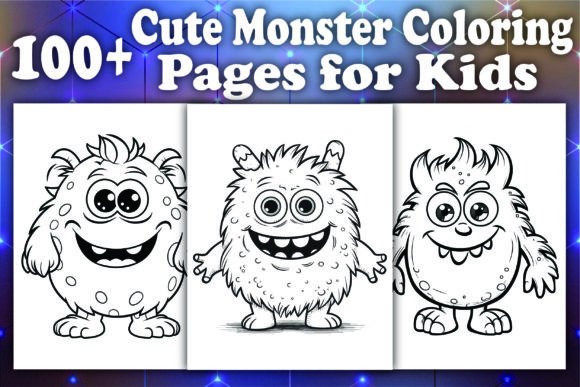
Cute Monster Coloring Pages for Kids
Building a profitable Amazon KDP business requires content that appeals to both children and the adults who buy for them. 100 Cute Monster Coloring Pages for Kids offers exactly that—a complete, high-resolution interior designed to help you publish a unique coloring book quickly. Whether you are new to Kindle Direct Publishing or expanding an existing catalog, this interior provides a solid foundation that can be adapted to different niches and audiences.
What Makes This Interior Stand Out
This isn’t just a collection of random drawings. Each file is delivered at 300 PPI with a clean A4 8.5×11-inch layout, ensuring crisp prints whether a buyer uses a home printer or a professional service. The package includes 100 JPG files, 100 PPTX files, and 100 PDF files, giving you flexibility to edit, rearrange, or export into other formats as needed. The monster theme itself is deliberately broad yet specific enough to attract parents, teachers, and caregivers looking for screen-free entertainment that sparks imagination.
What makes it particularly useful for KDP publishers is the combination of volume and consistency. One hundred pages mean you can market the book as a substantial activity resource, while the unified style helps maintain a cohesive feel throughout. The cute monster motif avoids the scary or intense imagery that some parents shy away from, making it appropriate for toddlers through early elementary ages.
Creative Ways to Use This Interior
The true value of a well-made interior lies in how you present it to your audience. Here are several directions you can take to make your edition feel original and targeted.
Build a Themed Series Around the Monsters
Instead of releasing a single generic monster book, consider breaking the 100 pages into smaller themed collections. Group monsters by color, by habitat (forest monsters, ocean monsters, space monsters), or by emotion (happy monsters, sleepy monsters, silly monsters). This approach lets you create multiple low-content or medium-content books from one interior, each with its own cover and subtitle. For example, 50 Cute Monster Friends and 50 Monster Adventures can coexist as separate products that cross-promote each other.
Combine with Learning Activities
Coloring pages are often used in educational settings. You can enhance the interior by adding a short prompt or learning element to each page without changing the monster itself. Add a line like “Color this monster blue and give it a name” or “How many circles can you find on this monster?” These small additions increase the perceived value for parents and homeschoolers, and they help your book rank for broader keywords such as preschool activity book or learning to color for kids.
Offer a Print-and-Go Bonus
Since you receive both PDF and JPG formats, you can easily extract a few pages to offer as a free bonus on your author website or inside another book. A free sample of 5 to 10 monster pages encourages buyers to try your style before committing to the full purchase. It also builds goodwill and can lead to positive reviews on Amazon if the sample delivers a satisfying experience.
Adapting for Different Age Groups and Preferences
Not all children color the same way, and not all parents look for the same level of detail. One of the strengths of this interior is that you can adapt the same base pages for different market segments.
For Toddlers and Preschoolers
Young children need larger areas to color and simpler shapes. While the interior provides standard designs, you can use the PPTX files to enlarge certain elements or thicken outlines before exporting. Consider branding your book as My First Monster Coloring Book with a subtitle that mentions ages 2 to 4. Emphasize the chunky lines and easy-to-recognize monster faces in your product description.
For Older Kids Who Want More Detail
Children aged 5 to 8 often enjoy slightly more intricate patterns within the monster bodies. You can use the editable files to add stripes, dots, or geometric sections inside the monster outlines. This transforms the book from a simple coloring activity into something closer to a pattern-coloring experience, which appeals to children who like to spend more time on a single page.
For Bilingual or Multilingual Markets
If you have language skills or access to translation services, you can localize the book by adding text in Spanish, French, German, or other languages. The PPTX format makes it straightforward to insert speech bubbles, monster names, or simple sentences in another language. A bilingual monster coloring book can target niche keywords like libro de colorear monstruos or monster Malbuch, often with less competition than English-only titles.
Practical Tips for Listing on KDP
Having a great interior is only half the battle. The way you prepare and list your book determines whether customers will find it and trust it enough to purchase.
Format for Amazon’s Requirements
The PDF files included in this interior are ready to upload, but it is wise to double-check that your margins, bleed, and trim size match your chosen trim. Since the listing specifies A4 8.5×11 inches, you are in a safe zone for standard paperback printing. Use the KDP previewer tool before publishing to ensure no elements are cut off. If you want to offer a smaller trim size like 8.5 x 8.5 square, you can use the PPTX files to resize the pages while keeping the monsters centered.
Write a Description That Connects with Parents
Parents and gift-givers want to know what their child will experience. Instead of listing features only, describe the feeling of opening the book. Use short sentences that paint a picture: A friendly monster with big eyes and a curly tail. A monster who loves to eat cookies. A monster having a picnic with friends. This style of description helps buyers imagine their child engaged and happy, which is a strong motivator.
Use Keywords That Reflect Real Search Behavior
Think about what a parent actually types into Amazon. Phrases like cute monster coloring book for kids ages 4-8, easy monster coloring pages for toddlers, and big monster coloring book for preschoolers are grounded in how people search. You can also include terms like screen-free activity, travel activity book, or rainy day coloring book to capture purchase intent. The 100-page count is a strong selling point because it signals value—mention it naturally in your bullet points.
Maintaining Quality and Originality Across Your Catalog
If you plan to use this interior as part of a larger high-content book business, consistency and quality control matter more than speed. Here are practical ways to keep your output professional.
Create a Brand Identity for Your Monster Books
Choose a consistent color palette for your covers and a recognizable logo or author name. Even if the interiors are similar across multiple books, a cohesive brand makes your storefront look curated. Readers who enjoy one monster book will recognize your style and trust that other books from you offer the same level of care.
Rotate and Combine Elements
You have 100 distinct pages at your disposal. To keep each book feeling fresh, avoid using the exact same pages in the same order every time. The PPTX files allow you to shuffle pages, mirror images, or recolor certain elements (if you choose to add digital color to a few sample pages for your listing). This variation helps you avoid publishing two books that feel identical, which can confuse customers and dilute your reviews.
Test Before Committing to a Full Release
Consider doing a soft launch with one edition to gather feedback. Ask a small group of parents or teachers to print and use a sample. Their observations can help you adjust the line thickness, page layout, or paper recommendation in your product description. For example, if several people mention that markers bleed through, you can add a note in your listing recommending crayons or colored pencils, showing that you are attentive to the user experience.
Expanding Beyond the Coloring Book Itself
Once you have established a presence with coloring books, you can repurpose the same interior assets for related products. The JPG files can be used for printable packs sold on platforms like Etsy or Teachers Pay Teachers. The PDF files can be combined with other activity pages to create bundle deals on Amazon. The PPTX slides can be converted into digital coloring pages for tablets, opening up an entirely different distribution channel.
This approach means your investment in a single interior can support multiple income streams. A customer who buys your paperback might later purchase your digital version for travel, or your bundle that includes mazes and dot-to-dot activities featuring the same monster characters. Consistent use of the monster theme across products reinforces brand recognition and encourages repeat purchases.
Keeping the Process Organized
With 100 files spread across three formats, organization is not optional. Create a folder structure on your computer that separates source files, export files, and final drafts. Name each file with a clear convention, such as MonsterBook_Page01_300ppi.jpg rather than generic numbers. This simple discipline saves time when you need to update a specific page or create a new variation for a different market.
Keep a spreadsheet or document that tracks each book you publish, noting which pages you used, the trim size, the title, and the publication date. Over time, this record helps you avoid duplicating the exact same combination of pages in a new listing, and it gives you a clear overview of your catalog’s strengths and gaps.
Why This Interior Works for a Sustainable KDP Business
Many publishers jump between trending topics without building a lasting library. The monster theme, while specific, has enduring appeal. Children love monsters that are silly, colorful, and harmless. Parents appreciate content that does not require screens and that encourages fine motor skills. By investing in a quality interior like this one, you position yourself to release multiple books over months or years without needing to commission new artwork each time.
The files you receive are production-ready, but they also leave room for your creative input. You decide the cover, the title, the keywords, and the marketing angle. You shape the interior further by rearranging pages, adding text, or combining it with other elements. This balance between ready-made and customizable is exactly what a busy publisher needs to maintain volume without sacrificing quality.
Whether you are publishing your first coloring book or your fiftieth, the key is to treat each release as an opportunity to learn what your audience responds to. The 100 cute monster designs give you plenty of room to experiment, tweak, and refine your approach. Use the data from early sales and reviews to guide your next edition, and do not be afraid to niche down further if you discover that a specific style of monster—striped monsters, monsters with glasses, or monster families—resonates more strongly with buyers.
In a competitive marketplace, the publishers who succeed are those who combine good materials with thoughtful execution. This interior provides the materials. The execution is up to you, and with the flexibility of JPG, PPTX, and PDF formats, you have everything you need to create a professional, appealing, and commercially viable coloring book that kids will genuinely enjoy.