How the Father’s Day T‑Shirt Can Support Your Print‑on‑Demand and Publishing Goals
Every seasonal niche offers a chance to connect with buyers, but few are as consistently reliable as Father’s Day. For creators running a print‑on‑demand store, a KDP publishing business, or any digital‑product shop, the Father’s Day T‑Shirt isn’t just a piece of apparel — it’s a structured way to engage an audience, build brand touchpoints, and generate predictable revenue. When approached with clear goals and a deliberate plan, a simple shirt design becomes a strategic asset.
Why the Father’s Day T‑Shirt Is a Strategic Product Category
A Father’s Day T‑Shirt works because it meets a recurring emotional and practical need. People want to give something personal, functional, and timely. A shirt fits that brief. But beyond the obvious seasonal demand, there’s a deeper reason this product matters to your business: it allows you to test creative directions, refine your audience targeting, and build a catalog that scales across multiple platforms.
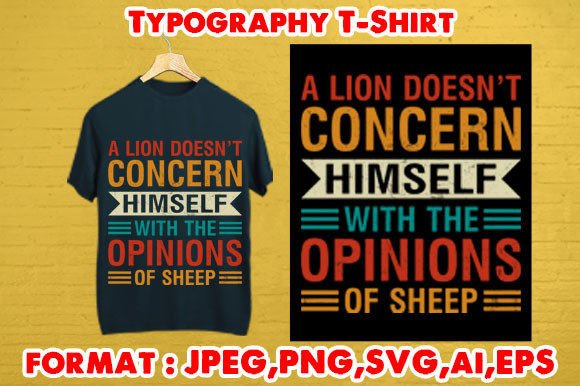
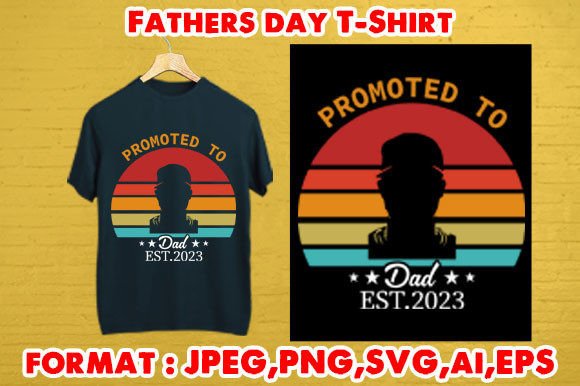
For a POD business, the Father’s Day T‑Shirt can be the anchor of a seasonal collection. For KDP interiors and coloring books, the same artwork can be repurposed as a digital asset. The key is to see the shirt not as a one‑off item but as a content system. You design once, then export to JPEG, PNG, EPS, AI, and SVG high‑quality files, and apply that same design to tank tops, crewneck sweatshirts, long sleeve t‑shirts, baseball t‑shirts, phone cases, laptop cases, magnets, kids hoodies, kids long sleeve t‑shirts, onesies, wall art, notebooks, pillows, totes, tapestries, pins, and more. Each output extends the reach of a single creative idea.
Aligning the Design with Your Brand and Business Goals
Before you open a design tool, step back and define what you want this product to achieve. Are you building brand recognition around a humorous, relatable fatherhood theme? Or are you positioning your shop as a source of sentimental, high‑quality gifts? The Father’s Day T‑Shirt can serve either goal, but the design and marketing approach will differ.
For a POD shop that targets casual buyers, a simple, funny phrase often converts well. For a KDP coloring book business, a detailed line‑art Father’s Day coloring page that can later be printed on apparel gives you a hybrid product — one file that works as a digital download and as a sublimation template. The same high‑resolution PNG or AI file can be uploaded to print‑on‑demand platforms for all‑over print items.
Strategic thinking also means considering color schemes, typography, and readability across different products. A design that looks great on a black t‑shirt may lose detail on a white onesie or a dark phone case. By creating your files in EPS, AI, and SVG formats, you maintain scalability and editability — critical when you later want to adjust for different mockups or product orientations.
Practical Use Cases for the Father’s Day T‑Shirt in Your Business
- As a seasonal lead generator: Run a limited‑time offer with a unique design, driving traffic to your store or KDP listing. Collect email addresses or social follows through the campaign.
- As a bundle component: Combine the shirt with a matching mug, tote, or notebook. Use the same artwork across items, and offer the bundle at a slight discount to increase average order value.
- As a brand‑building tool: Create a signature Father’s Day design that returns each year (with minor updates). Customers begin to anticipate it, building loyalty.
- As a testing platform: Use the Father’s Day T‑Shirt to test new artwork styles, niches, or marketing channels before investing in broader product lines.
- As a cross‑platform asset: Upload the design to Redbubble, Printful, Amazon KDP, Etsy, and your own store. Each platform has a slightly different audience; the same files (JPEG, PNG, EPS, AI, SVG) adapt easily.
What to Consider Before Relying on the Father’s Day T‑Shirt
As with any seasonal product, timing is critical. If you start promoting too late, you lose the window. If you start too early, you risk buyer fatigue. Plan your production and marketing timeline at least six to eight weeks before Father’s Day. Use your high‑quality files to run mockups early, and schedule your ad campaigns to begin three to four weeks out.
Another consideration is competition. Father’s Day is a saturated niche. A generic design with clichéd text will get lost. To stand out, focus on a specific sub‑niche: the new dad, the stepdad, the granddad, the dad who loves grilling, fishing, or woodworking. Specificity resonates more than broad sentiment. The thoughtful creator invests time in research — scanning trending quotes, checking bestseller lists on Amazon, and noting what customers are saying in reviews.
Risks of a Tactical‑Only Approach
One of the biggest mistakes creators make is treating the Father’s Day T‑Shirt as a quick cash grab without considering long‑term positioning. If you throw up a design with no clear brand voice, you attract one‑time buyers who won’t remember your shop. Worse, if the quality of your design — or the print file — is low, you risk negative reviews that hurt your seller score.
Low‑resolution files are a particular danger. A JPEG that looks fine on screen may pixelate when printed on a large canvas or a hoodie. Always use high‑quality file formats: JPEG for web previews, PNG for transparent layering, EPS and AI for professional vector editing, and SVG for scalable web and cutting‑machine use. When you invest in proper file formats, you protect your reputation and reduce the chance of printing errors.
Another risk is neglecting the customer experience. A Father’s Day T‑Shirt is a gift — so packaging, shipping speed, and presentation matter. If you use POD partners, test their print quality and shipping times before the busy season. If you sell digital coloring pages or KDP interiors, ensure your files are clean, paginated correctly, and easy to download. The goal is to deliver a product that feels intentional.
How to Use the Father’s Day T‑Shirt Intentionally Rather Than Randomly
The creators who succeed with seasonal products don’t just dash off a design and hope for the best. They treat each product as a mini‑project with a goal, a target customer, and a plan for distribution. Start by writing a short brief: Who is this shirt for? What feeling should it evoke? What action do you want the buyer to take after purchase (leave a review, follow your shop, share on social media)?
Next, build a content cluster around the product. One design can generate multiple marketing assets: a Facebook ad image, an Instagram story template, a Pinterest pin, a product mockup for your Etsy listing, and a short video showing the shirt being worn. Use the high‑quality PNG and SVG files to create these assets consistently. The more touchpoints you create, the more likely a buyer will remember you when Father’s Day approaches.
Also consider the post‑purchase experience. Include a thank‑you note with a discount code for future purchases. If you sell KDP digital products, add a page at the end of the coloring book or interior that points to your other titles. Every Father’s Day T‑Shirt transaction becomes a relationship‑building opportunity, not just a sale.
Long‑Term Value Beyond the Season
While Father’s Day happens once a year, the assets you create — the high‑quality vector files, the customer data, the proven design concept — can be repurposed. Swap a few words or change a color palette, and a Father’s Day design becomes a Birthday design or a “Just Because” design. The time you invest now in creating scalable files (AI, EPS, SVG) pays dividends in efficiency later.
Moreover, the same artwork can enter different marketplaces. A design that sells well on t‑shirts might also perform as a wall art print or a pillow cover. By having the files ready in multiple formats, you open the door to passive, repeat revenue without starting from scratch each season.
When you view the Father’s Day T‑Shirt as part of a broader content and product strategy — not a standalone item — you turn a seasonal spike into a steady contributor to your business. You build a catalog that works across print‑on‑demand apparel, KDP interiors, coloring books, coloring pages, and all‑over print items. You position yourself as a creator who delivers thoughtful, reliable products, regardless of the time of year.
Final Strategic Observations
The Father’s Day T‑Shirt is not a magic bullet. It will not fix a broken marketing strategy or compensate for low‑quality production. But when used thoughtfully — with clear goals, proper file formats, and an understanding of your audience — it becomes a reliable tool in your business toolkit. It teaches you the discipline of seasonal planning, the value of scalable content, and the importance of customer experience.
Start now, not a month before the holiday. Design with scalability in mind. Choose your sub‑niche carefully. And always deliver more than a simple shirt — deliver a product that makes someone feel seen, valued, and appreciated. That kind of intentionality is what separates a one‑time seller from a brand people return to year after year.